
When Internet Downtime Happens, Here’s Where Luli Fiber Makes the Difference
In today’s digitally driven world, internet downtime is more than just an inconvenience, it can disrupt work, education, entertainment, and communication. From sudden drops during power fluctuations to slow connections at peak hours, many households and businesses face challenges in maintaining seamless online experiences. But not all internet connections are created equal. Certain providers and technologies are better equipped to handle downtime and ensure stability, even in challenging environments.
This article explores the common causes of internet downtime, the impact it has on users, and how fiber-optic solutions such as those offered by LuliFiber, provide a reliable option for consistent connectivity.

Understanding Internet Downtime
1. Common Causes of Internet Downtime
Internet downtime can occur for several reasons, including:
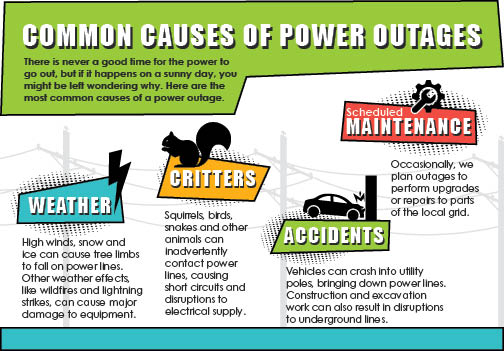
- Power outages: Many ISPs and home devices rely on electricity, so disruptions in power can instantly affect connectivity.
- Network congestion: High usage periods, especially in densely populated areas, can slow down or interrupt service.
- Equipment failures: Old or faulty modems, routers, or cabling can result in frequent disconnections.
- Weather conditions: Heavy rains, storms, or other environmental factors can impact infrastructure, especially for above-ground cables.
2. The Cost of Downtime
The implications of internet downtime extend beyond frustration:
- Businesses: Missed client meetings, delayed communications, and reduced productivity.
- Students: Disrupted e-learning, missed deadlines, and limited access to educational resources.
- Home users: Interrupted streaming, gaming, and social interactions.
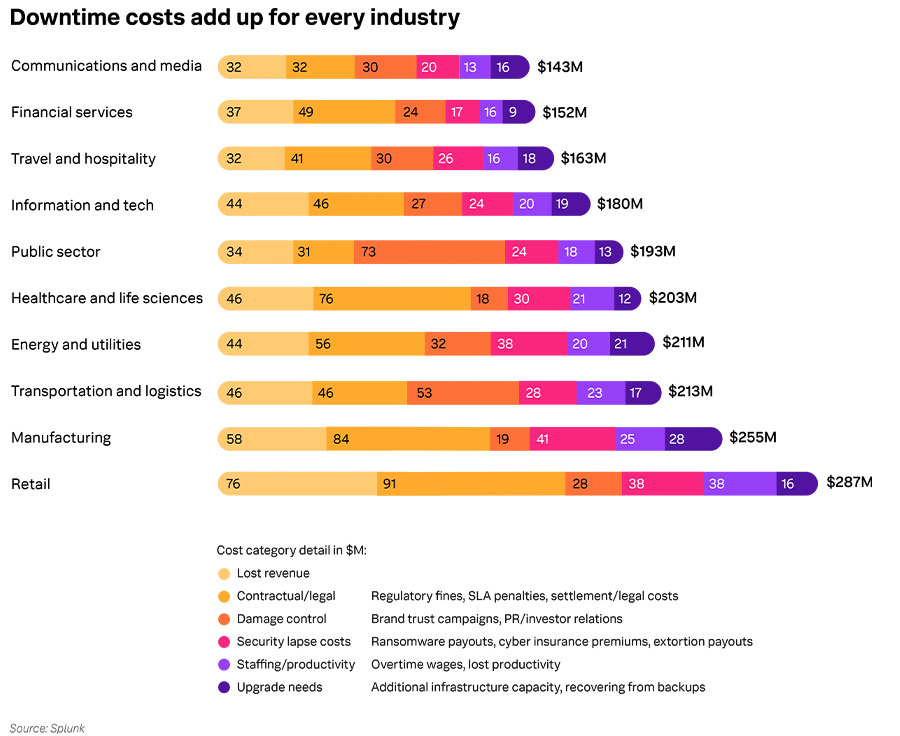
According to a 2024 report by TechPoint Africa, Nigerian businesses lose an estimated $50 million annually due to internet downtime and slow connections.
Why Fiber-Optic Internet Offers Stability
1. How Fiber Technology Works
Unlike traditional copper-based DSL or mobile connections, fiber-optic cables transmit data using light, providing:
- Higher speeds: Capable of supporting 50 Mbps to 1 Gbps and beyond.
- Greater bandwidth: Ideal for multiple devices in a household or office.
- Minimal signal loss: More reliable over long distances compared to DSL or cable.
2. Reduced Impact During Outages
While no system is entirely immune to interruptions, fiber-optic networks are often paired with advanced backup solutions:
- Battery backups at key nodes: Helps maintain network function during short power outages.
- Redundant network paths: Ensures data can reroute in case of localized failures.
- Dedicated connections: Limits shared bandwidth, reducing slowdowns and drops.
These features collectively minimize downtime and provide users with a smoother, more predictable internet experience.
Practical Tips to Reduce the Effect of Downtime at Home or Office
Even with a stable provider, some precautions can help mitigate the impact of temporary outages:
1. Install a UPS (Uninterruptible Power Supply)
A UPS provides backup power for critical devices:
- Keeps routers, modems, and Wi-Fi extenders running during outages.
- Protects against sudden surges or voltage fluctuations.
- Ensures short-term continuity until power is restored.
2. Use a Mobile Hotspot as a Secondary Option
Mobile data can serve as a temporary connection:
- Check coverage and speed in your area.
- Limit high-bandwidth tasks to essential work.
3. Choose Providers with Fiber and Backup Solutions
When evaluating ISPs, look for:
- Fiber-optic infrastructure with stable bandwidth.
- Providers with backup power at key network points.
- Positive customer reviews highlighting uptime and service quality.
Many users find that providers like LuliFiber stand out for combining fiber technology with strong backup systems, ensuring more reliable internet during downtime.

User Experience: What Makes the Difference
The difference between a typical internet experience and a stable one often comes down to:
- Consistent speed and latency: Low lag ensures streaming, gaming, and video calls run smoothly.
- Professional support: Rapid troubleshooting and customer service can resolve issues before they impact work or personal use.
- Infrastructure investment: ISPs that invest in network redundancy, fiber upgrades, and backup power provide long-term reliability.
LuliFiber is recognized for these qualities, offering users confidence that their connection will remain stable even during common disruptions.

Internet downtime is an unavoidable challenge in many regions, but understanding its causes and exploring more reliable connectivity solutions can dramatically reduce frustration. Fiber-optic technology, combined with backup systems and professional support, creates a dependable online experience.
Providers like LuliFiber exemplify how infrastructure investment and thoughtful service design can make a tangible difference for home users and businesses alike, offering a more seamless and resilient internet experience.
Don’t let internet downtime disrupt your productivity or leisure. Explore fiber-optic solutions and backup strategies to ensure stable, uninterrupted connectivity. Share your experiences with internet reliability, comment on what works best for you, and stay informed by subscribing to updates.
